
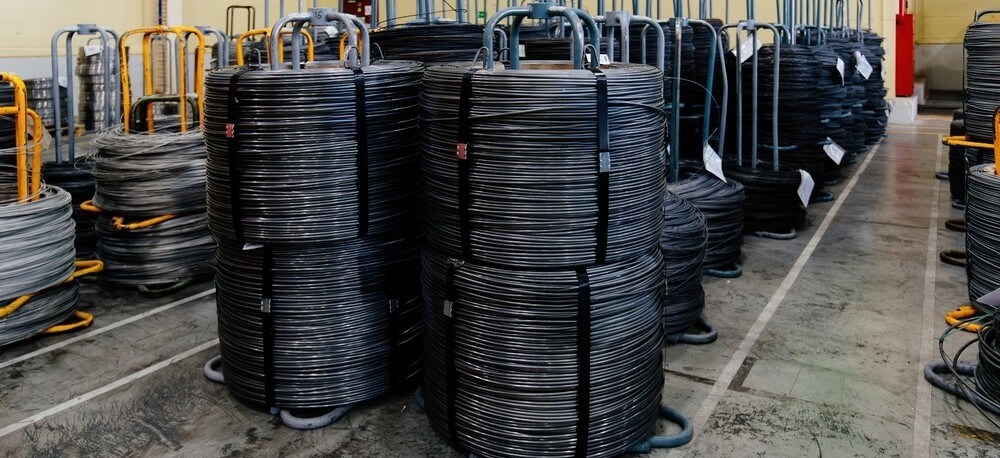
Secure your wires with the strength of PSI High Carbon Black Wires. Designed for speed and durability, our wires offer an easy-to-use mechanism backed by high-tensile engineering. Whether you are baling recyclables or raw materials, PSI High Carbon Black Wires are built to withstand the most demanding conditions.
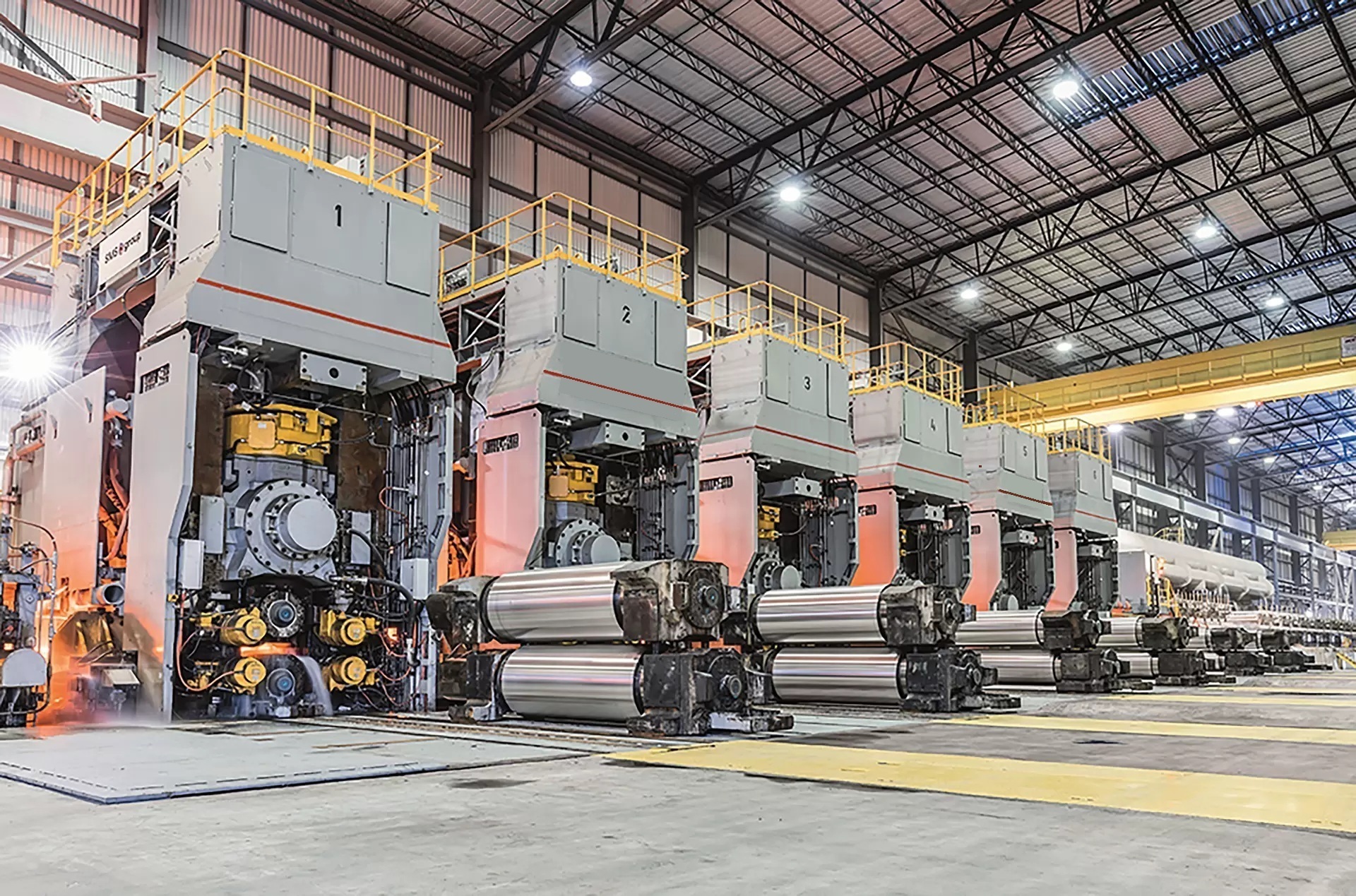
the process for high-carbon steel wire (HT wire) is a specialized sequence that transforms raw steel rods into high-strength, resilient materials. Because high-carbon steel work-hardens so rapidly, it cannot be simply "pulled" to a thin size like mild steel; it requires the specific metallurgical transformation known as Patenting, he journey from a 5.5 – 13mm rod to a high-tensile wire follows these core stages:
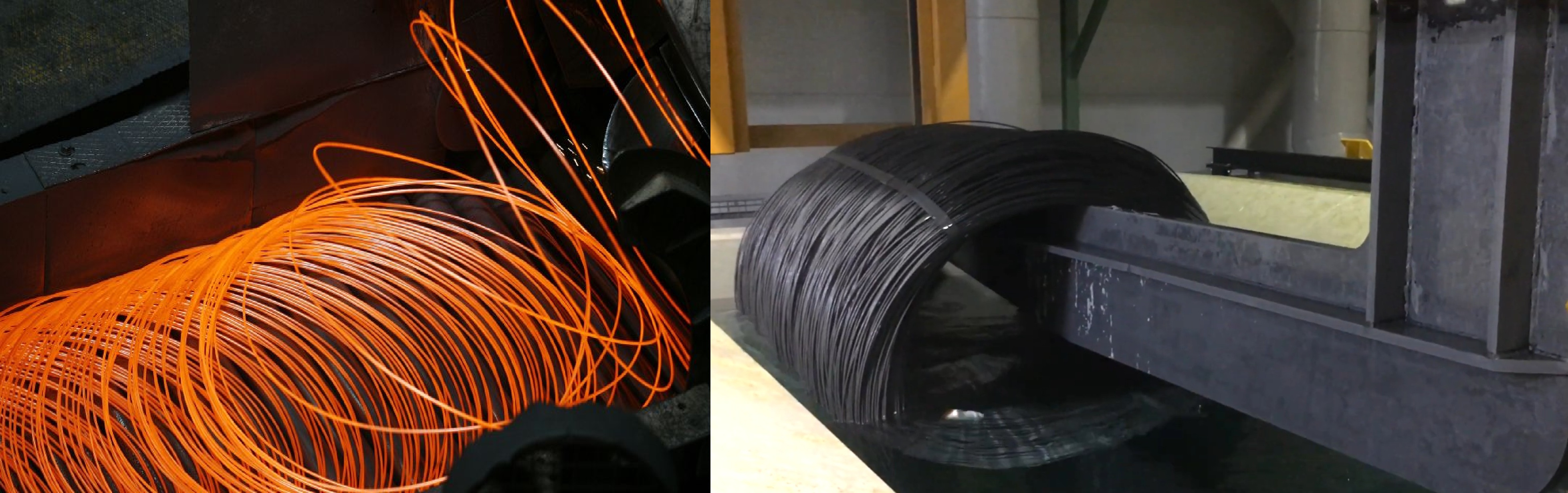
High-carbon rods are covered in "mill scale" from the hot-rolling process. This must be removed to avoid damaging the drawing dies
Pickling: The rods are submerged in hydrochloric or sulfuric acid.
Coating: Once clean, they are coated with Zinc Phosphate, Borax, or Lime. This coating acts as a carrier for the lubricant during the drawing process.
The rod is pulled through a series of tungsten carbide dies to reduce its diameter. In this stage, the tensile strength begins to climb due to work hardening, but the steel also becomes brittle.
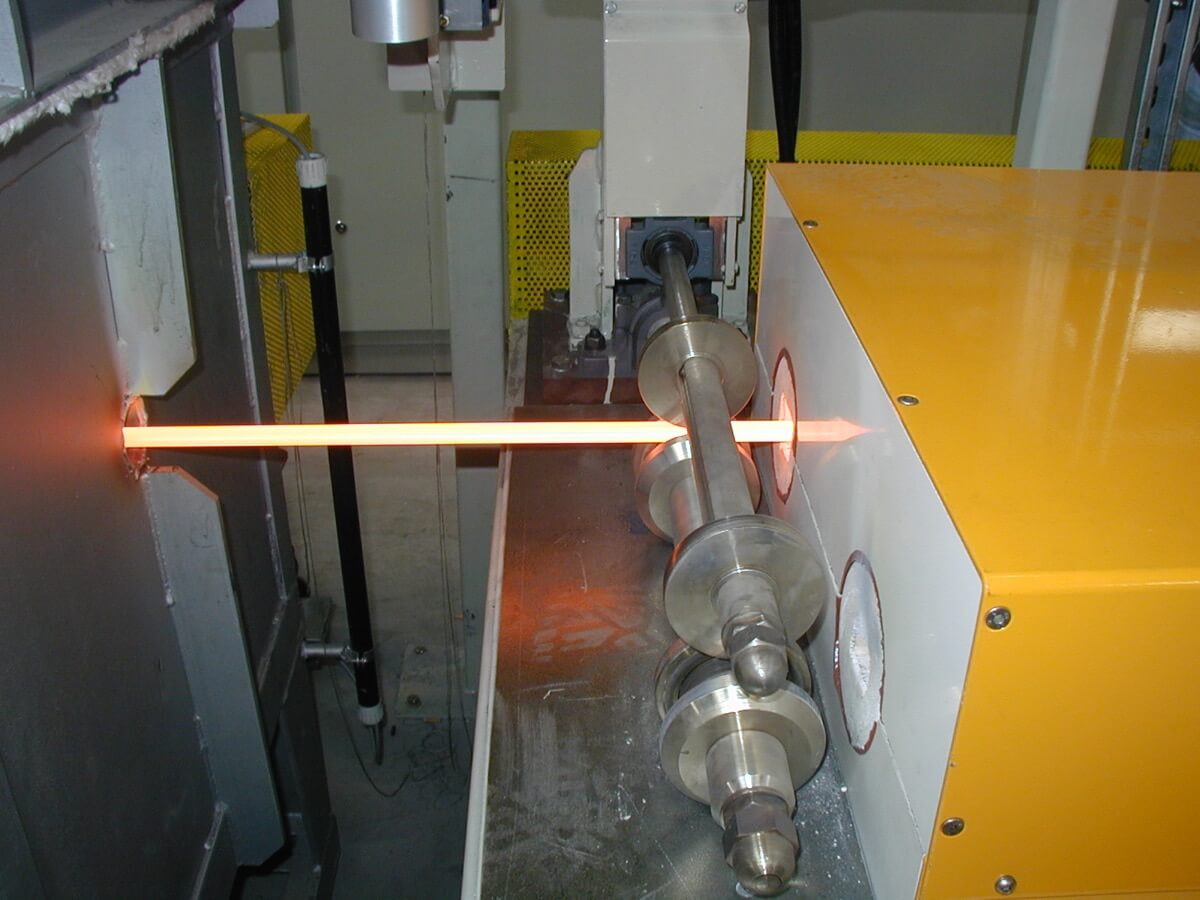
Patenting is a specialized heat treatment primarily used for high-carbon steel wires (typically 0.40% to 1.0% carbon). Unlike standard annealing, which softens metal for general use, patenting is designed to create a specific microstructure—fine pearlite (sometimes called sorbite)—that allows the wire to be drawn to extremely high tensile strengths without breaking.
Austenitizing: The wire is heated in a furnace to approximately 900C – 1000C. At this temperature, the steel transforms into a uniform austenite structure.Isothermal
Quenching: The wire is rapidly cooled to a temperature just above the "nose" of the TTT (Time-Temperature-Transformation) curve, typically between 450C and 550C.
The Result: This isothermal transformation produces fine pearlite.11 This structure has the perfect balance: it is strong enough to provide high PSI but ductile enough to survive another 80 % to 90% reduction in diameter
The rod is pulled through a series of tungsten carbide dies to reduce its diameter. In this stage, the tensile strength begins to climb due to work hardening, but the steel also becomes brittle.
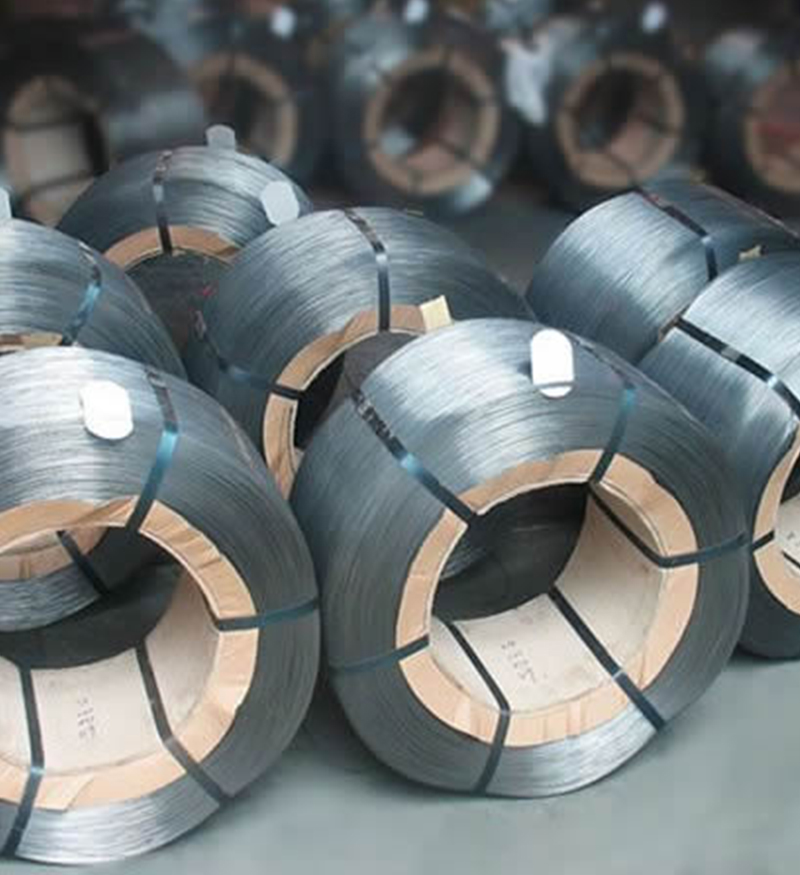
Packing high-tensile galvanized wire is a rigorous process designed to prevent two specific types of damage: mechanical deformation (which ruins the wire's geometry for machine feeding) and "white rust" (oxidation caused by trapped moisture).
The process varies depending on whether the wire is being shipped locally or for export.
1. Primary Bundling & Strapping Before any wrap is applied, the wire must be structurally secured so it doesn't "telescope" or tangle.
Compacting: Individual coils are often pressed together using hydraulic compactors to reduce volume.
Strapping: 3 to 6 high-tensile steel straps or PET (Polyester) plastic straps are applied radially through the "eye" of the coil.
Edge Protection: For high-value HT wire, plastic or heavy-duty cardboard "V" protectors are placed under the straps to prevent them from biting into and kinking the outer layer of wire.
2. Moisture & Corrosion Protection Since galvanized wire is sensitive to condensation (which forms "white bloom"), the wrapping layers are critical.
Layer 1 (Inner): VCI (Vapor Corrosion Inhibitor) Film or Paper. This chemically active layer releases a dry vapor that prevents oxidation on the zinc surface.
Layer 2 (Middle): LDPE/Stretch Film. A waterproof plastic layer that seals the coil from external humidity and rain.
Layer 3 (Outer): HDPE Woven Fabric or Hessian. This is a tough, tear-resistant layer (often blue, white, or yellow) that protects the inner layers from being punctured by forklift tines or hooks during transit
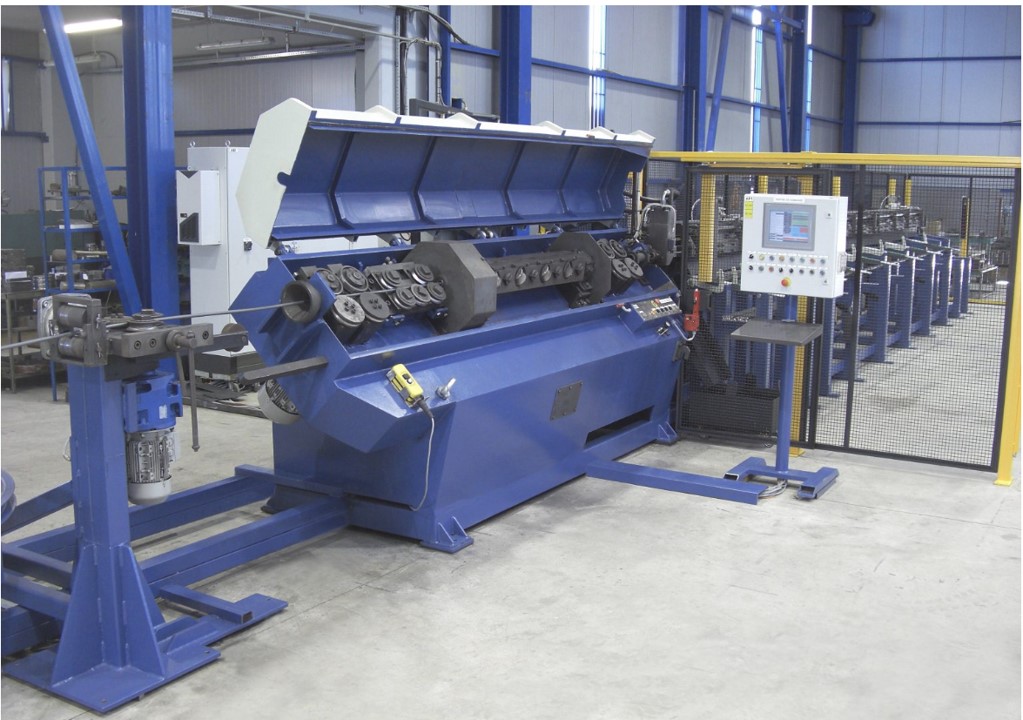
Integrated Straightening: Multi-stage rollers ensure a linear deviation of less than 1mm per meter.
High-Speed Throughput: Our machines operate at speeds up to 45 m/min, allowing for high-volume production while maintaining the strict dimensional accuracy verified in our NABL-accredited labs.
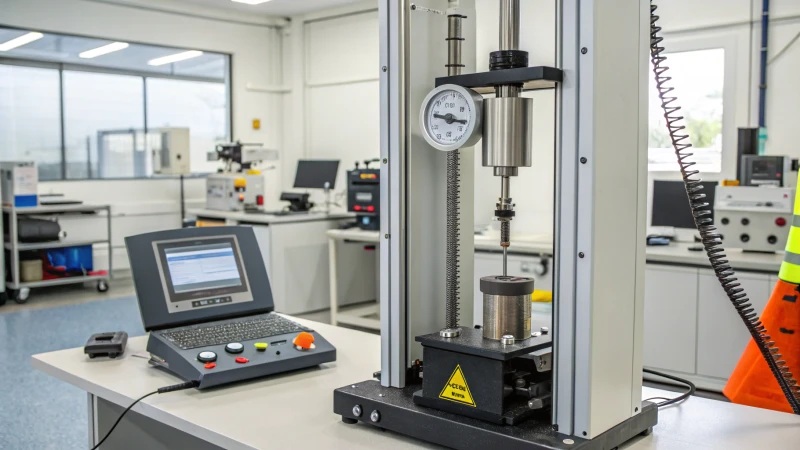
Unlike many suppliers, our process does not end at manufacturing. We validate the mechanical integrity of every batch to ensure reliability.
Special High-Tensile Material: We verify that the raw material meets our specific grade requirements.
Standardized Break Tests: We conduct pull tests at elongation speeds of 0.25 to 5 inches per minute. This allows us to measure the exact point of failure and ensure the tie has the "memory" and ductility needed to hold a compressed bale without snapping.
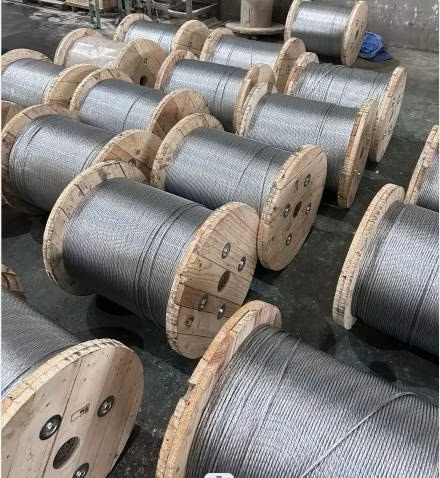
Built to Perform, Packed to Protect. Your operations depend on the reliability of our wires, which is why we ensure they arrive in perfect condition. PSI offers flexible, customized packaging—from rugged wooden boxes to moisture-proof stretch wrapping—designed to withstand the rigors of global transport.
A Trusted Global Supplier From our manufacturing facilities in India to industrial hubs in the USA, Mexico, Turkey, and Africa, PSI is a leading name in the export of high-tensile galvanized wires. We don't just supply wire; we deliver peace of mind to baling operations worldwide.